Silver Calculator
Calculate silver melt value, scrap silver value, and sterling silver value by weight, unit, purity, and live spot-price context.
Live silver calculator
Calculate silver value by weight and purity
Use grams for jewelry and scrap, or troy ounces for bullion.
Buyer payout mode
Simulate dealer or refiner offers below melt value.
Estimated melt value
$17.37Spot-based silver value before buyer deductions, refining fees, taxes, or collectible premiums.
Spot $58.40/troy oz · purity 92.5% · updated Jul 13, 7:11 AM
Advanced purity and spot override
Live price hub
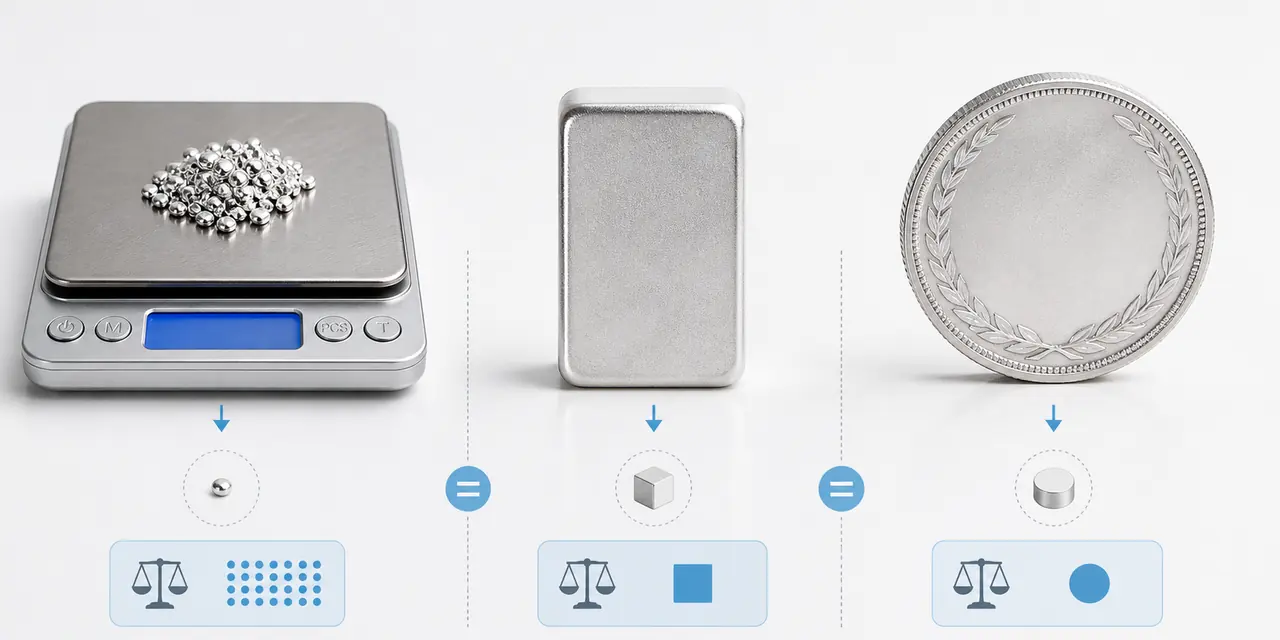
Silver Price per Gram
Compare 999, 925, 900 and 800 silver by gram.
Open price hub ->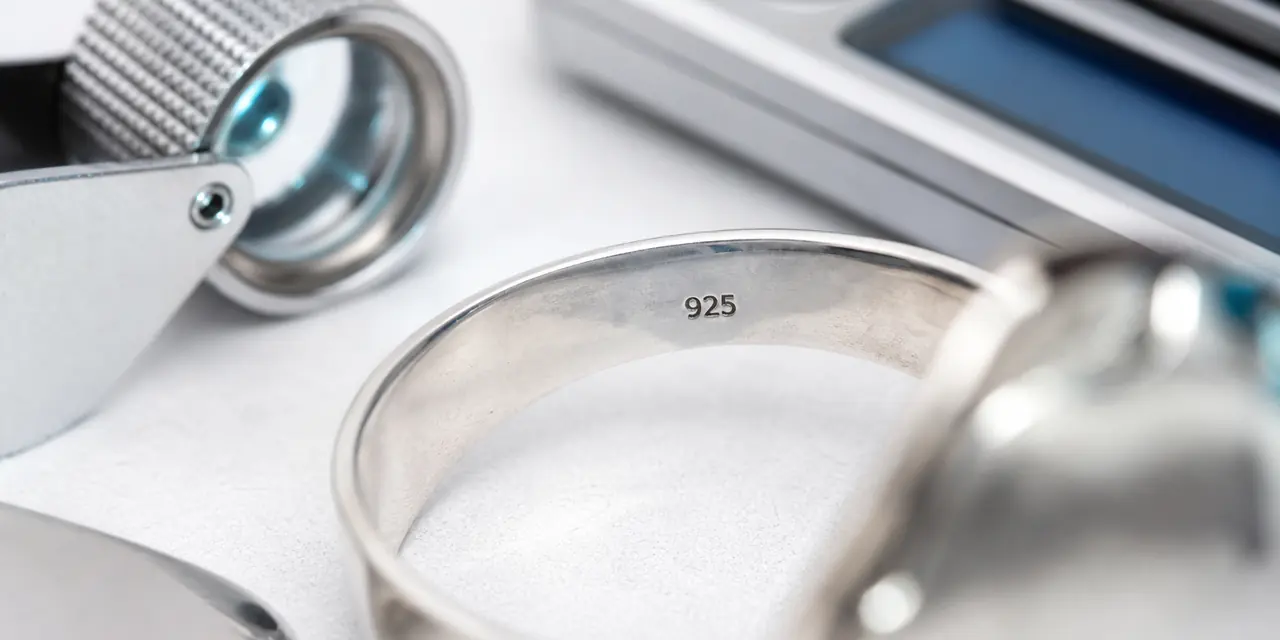
925 checker
925 Silver Value
Estimate sterling jewelry, flatware and small 925 lots.
Check 925 value ->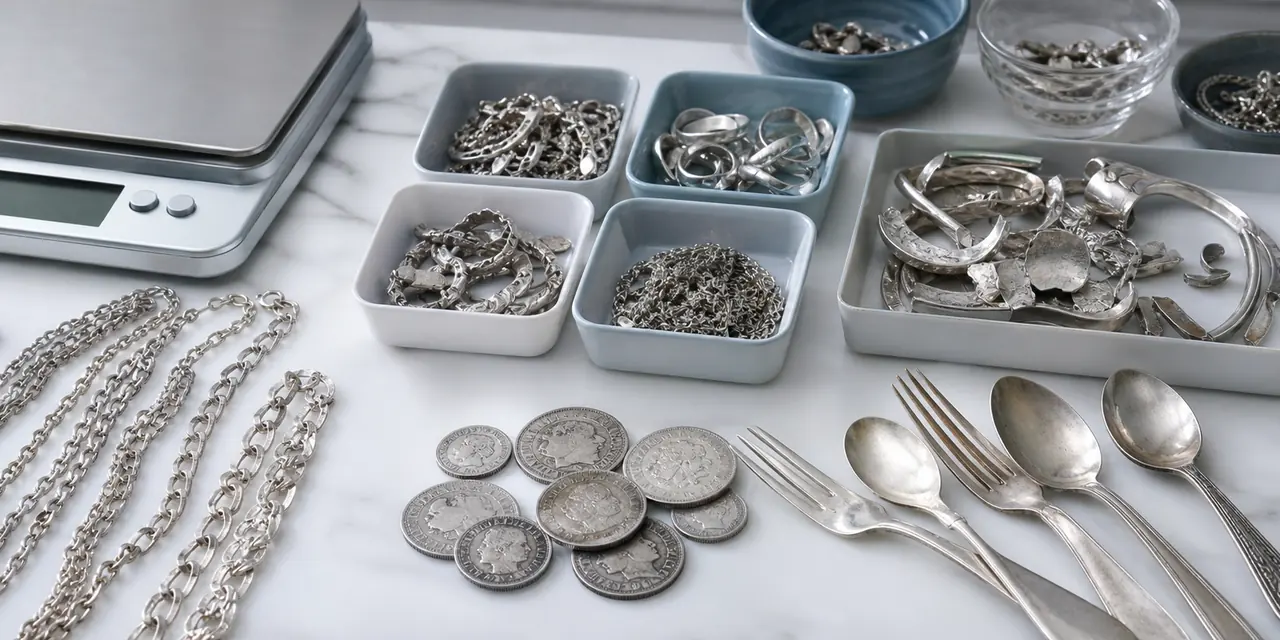
Seller worksheet
Scrap Silver Calculator
Add multiple silver items before comparing buyer offers.
Calculate scrap ->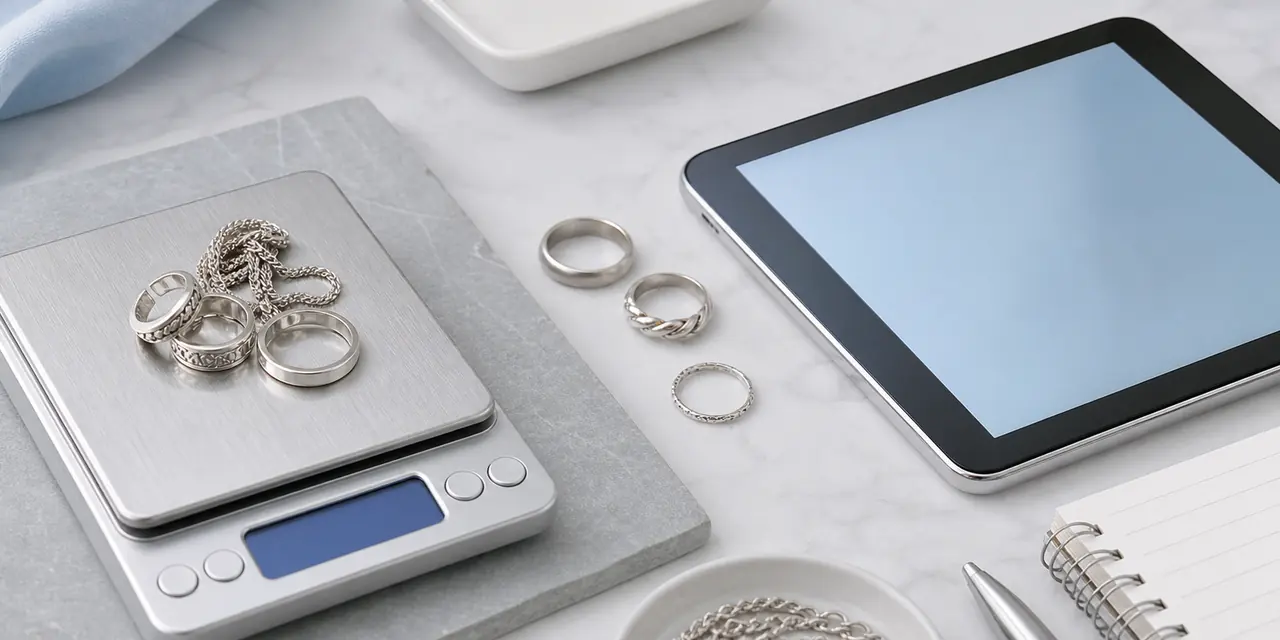
Melt value
Silver Melt Value
Calculate recoverable metal value before deductions.
Check melt ->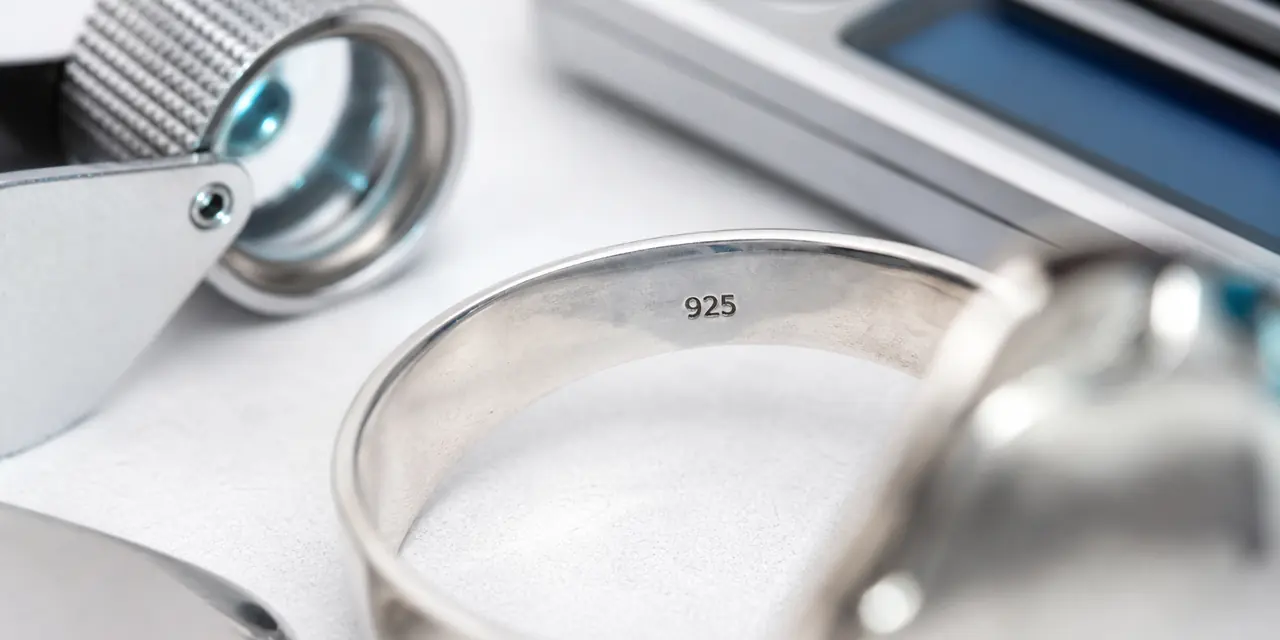
Sterling value
Sterling Silver Calculator
Value 925 silver jewelry, hollowware and flatware.
Value sterling ->Silver value examples
Formula checks before you trust the dollar result
A silver calculator is only as good as its inputs. These quick examples make the purity math visible before the live spot price turns the pure-silver weight into a melt-value estimate.
10 g sterling ring
9.25 g pure silver10 g x 92.5%
Use the 925 preset for marked sterling jewelry, then compare the melt value with buyer payout.
100 g coin silver lot
90 g pure silver100 g x 90%
Use the 900 preset for many U.S. coin-silver examples when the exact coin type is already known.
1 troy oz fine bullion
31.07 g pure silver31.1035 g x 99.9%
Use troy ounces for bullion bars, rounds, and market spot-price comparisons.
Before calculating
Check the item, unit, and purity first
- Weigh the silver-bearing material, not stones, handles, filler, or packaging.
- Use the unit shown on your scale: grams, standard ounces, troy ounces, pounds, kilograms, or pennyweight.
- Choose the stamped purity only when the hallmark is reliable; use custom purity after a test or assay.
- Treat melt value as the metal baseline, not a guaranteed cash offer from a shop or refiner.
Common silver inputs
Sterling jewelry
925 / 92.5%Remove stones or non-silver parts from the weight when possible.
Sterling flatware
925 / 92.5%Forks and spoons are easier to estimate than weighted handles or knife blades.
Fine bullion
999 / 99.9%Use troy ounces when the product is labeled by metal-market weight.
Coin silver
900 or 40%Choose the correct preset only after identifying the specific coin or lot.
Silver plate
Not solid silverDo not calculate plated items as sterling melt value unless tested as solid silver.
Guide
How to use this silver calculator
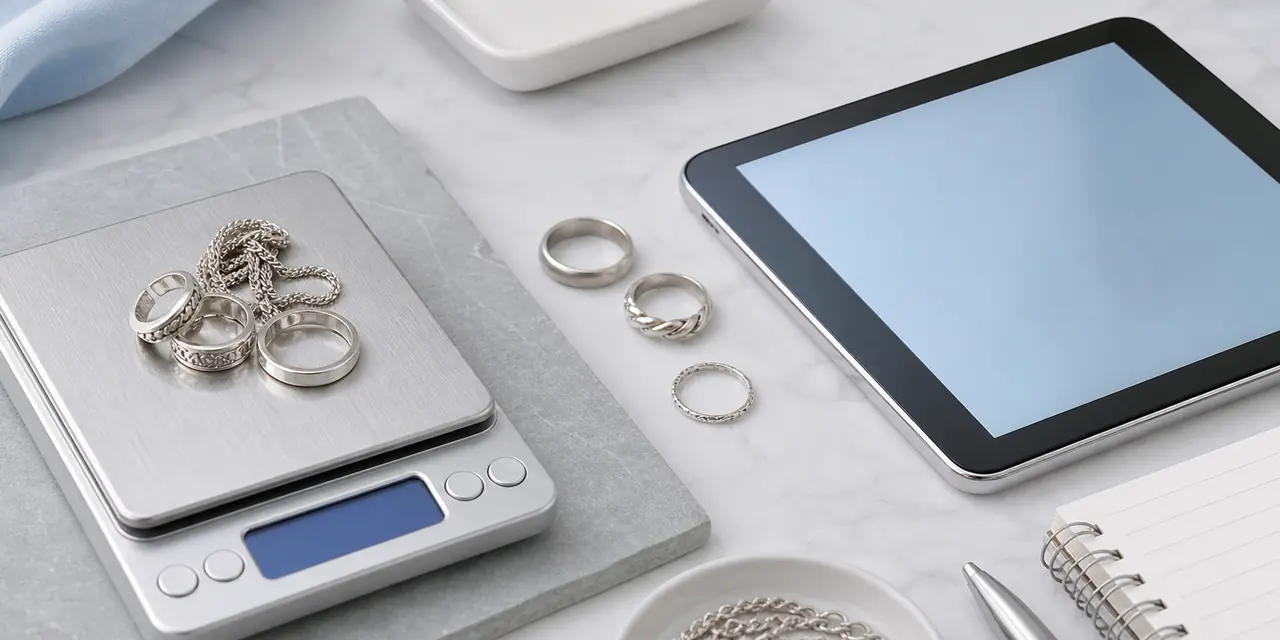
SilverCalc is a practical silver calculator for people who need a fast estimate before selling, sorting, buying, or checking a silver item. Enter a weight, choose grams, ounces, troy ounces, kilograms, pounds, or pennyweight, then select a purity such as 999 fine silver, 925 sterling silver, 900 coin silver, 800 silver, or a custom percentage. The calculator converts the weight to grams, applies the silver purity, and multiplies the pure silver content by the current silver price per gram.
The result is an estimate, not a guaranteed offer. Melt value is the metal baseline. Scrap value depends on what a buyer is willing to pay after testing, refining costs, item condition, minimum lot size, shipping risk, and margin. That is why the tool includes both melt value and buyer payout mode. Use the number to compare quotes, ask better questions, and avoid confusing troy ounces with standard ounces.
How the silver calculator works
+
The formula is simple: weight converted to grams multiplied by purity multiplied by the silver price per gram. A 50 gram sterling item is not valued as 50 grams of pure silver. It is valued as 50 grams multiplied by 0.925, giving 46.25 grams of pure silver before any buyer payout adjustment. If the item is marked 800, the same 50 gram weight contains only 40 grams of pure silver. This purity step is the reason two similar-looking items can have very different silver values.
The silver calculator keeps the formula visible because silver owners often mix several unit systems. A coin dealer may quote troy ounces, a postal scale may show standard ounces, a jeweler may use grams, and some scrap buyers still use pennyweight. The tool converts each input into the same gram basis so the melt value is consistent. The result panel also shows price per gram and price per troy ounce at the selected purity so you can sanity-check the estimate.
When to use melt value versus scrap value
+
Melt value is the theoretical value of the recoverable silver content. It is the cleanest baseline for bullion, rounds, generic bars, broken chains, damaged sterling flatware, and mixed scrap. Scrap value is usually lower because a buyer has to verify purity, remove non-silver parts, process the material, and leave room for price movement and profit. The payout slider lets you model that difference without changing the underlying metal math.
For a straightforward lot of marked sterling or fine silver, a strong buyer may quote a high percentage of melt value. For plated items, weighted candlesticks, stainless knife blades, resin-filled handles, or badly mixed lots, the usable silver can be much lower than the gross weight suggests. Treat the calculator as a planning tool and separate questionable pieces before asking for offers.
Common silver purity marks
+
The most useful marks are 999, 925, 900, 835, and 800. Fine silver is usually marked 999 or .999 and is common in bullion products. Sterling silver is usually marked 925, STERLING, or STER. Coin silver in the United States often refers to 90% silver, especially older dimes, quarters, half dollars, and some dollar coins. European tableware and jewelry may use 835 or 800, and some coins contain 40% silver.
Do not value silver plated items as solid silver. Marks such as EPNS, EP, electroplate, silverplate, or plated usually mean a thin silver layer over base metal. Those items may have decorative or resale value, but their melt value is not calculated like sterling or fine silver. If the mark is missing or suspicious, use custom purity only as a placeholder until the item is tested.
How to read the result before selling
+
Use the melt value as your reference point, then compare the quote as a percentage of melt. If a buyer offers much less than the modeled payout range, ask which spot price was used, whether the quote is based on troy ounces or standard ounces, what purity was assumed, and which parts were excluded from weight. Clear questions often reveal whether the buyer is discounting for real processing costs or simply quoting a weak number.
Silver can also be worth more than melt value. Collectible coins, branded jewelry, antique flatware sets, designer pieces, and desirable bullion products may carry premiums. The calculator does not appraise those premiums. It gives the metal floor so you know when to research collector value, resale value, or a specialist appraisal instead of selling everything as scrap.
FAQ
Silver Calculator FAQ
How do I calculate silver value?
+
Enter the item weight, choose the unit, select the silver purity, and multiply the pure silver content by the current silver price per gram. SilverCalc handles the unit conversion and purity math for you.
Is silver melt value the same as a buyer offer?
+
No. Melt value is the metal baseline. A buyer offer can be lower because of testing, refining costs, non-silver parts, lot size, shipping, and margin.
What purity should I choose for sterling silver?
+
Choose 925 for sterling silver. Sterling is 92.5% silver, although real-world items can include stones, handles, cement, blades, or non-silver parts that should not be counted as silver weight.
Should I use ounces or troy ounces?
+
Use the unit shown by your scale. A standard ounce is 28.3495 grams, while a troy ounce is 31.1035 grams. Precious metals are quoted in troy ounces.
Can this calculator value silver coins?
+
Yes for melt value when you know the silver purity and weight. Collectible coins may have premiums above melt, so check numismatic value separately.
Does the calculator include taxes or dealer premiums?
+
No. It estimates metal value and optional buyer payout. It does not include sales tax, coin premiums, retail spreads, shipping, or appraisal value.
Can I use a manual silver price?
+
Yes. Use the manual spot override when comparing a buyer quote, checking a historical price, or modeling a price change. Enter the price per troy ounce.
Is SilverCalc financial advice?
+
No. SilverCalc provides educational estimates for planning and comparison. Confirm prices, fees, and item details before selling, buying, or making investment decisions.